Mahanandi

Living in Consciousness ~ Indi(r)a’s Food and Garden Weblog

Weekend Cat Blogging

Kittaya’s New Pose:
Kittaya

Checkout cute Kiri enjoying his new sleeping arrangements and also other cute kitties of food blogging world at Eat Stuff.

Posted by Indira©Copyrighted in Kittaya (Saturday April 15, 2006 at 11:26 am- permalink)
Comments (11)

The New Home of Mahanandi: www.themahanandi.org

Wild Rice with Eggplant-Chole

First time I tasted wild rice was at a restaurant in Houston. For main course there was an entry with wild rice. I’ve heard good things about wild rice and I wanted to give it a try. Try we did. The restaurant version of wild rice was full of butter and had some toasted pine nuts. The portion was small, but we loved it so much, decided to cook it at home. Then we found about the price; wild rice is not cheap, I can tell you that. It’s an indulgence for us and I like to cook it once in a while.

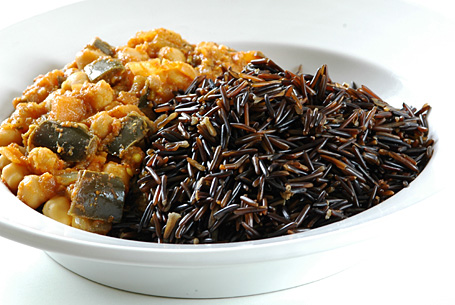
My version is very simple. For 1 cup of wild rice, usually I’d add 2 and half cups water, a quarter teaspoon of salt and ghee. I cook it just like regular rice in a rice cooker. The result is very fabulous, nutty, chewy wild rice. Though it looks like ‘Basmati gone black’, the taste of wild rice is unique. It has its own unique smell and texture. You can’t gobble up, each grain beckons you to slow down and enjoy it. Try it, if you haven’t already.

Wild Rice with Eggplant-Chickpea Curry (Brinjal-Chole)
Wild Rice with Eggplant Chole ~ Our simple lunch today.

Eggplant Chole: Recipe Replace aloo (potatoes), with jumbo eggplant cubes. I’ve got the idea of cooking eggplant-chickpeas together from Mika’s blog.
Wild Rice Nutritional information – click here.

Posted by Indira©Copyrighted in Biyyamu (Rice),Chickpeas,Eggplant,Wild Rice (Friday April 14, 2006 at 3:10 pm- permalink)
Comments (14)

The New Home of Mahanandi: www.themahanandi.org

Jihva for Ingredients ~ (A Food Blog Event)

I am sure, like me, many of you enjoy participating in food blogging events and even thought of hosting. But rotating foodblog events are very few. Actually they are only two, the popular IMBB and SHF. I wanted to host one of those events, but it seems they are booked all through this year and next year also.

This new event – “Jihvā for Ingredients (JFI)” is for me, as well as for you food bloggers who wanted to host an event once in a while. Just like IMBB and SHF, it is a rotating event, that means instead of only one host all the time, different food blogger would host the event every month. I think this type of rotating events are more interesting to participate, the hosts not only bring their own personality to it, it is also a chance for us to visit and find new blogs and bloggers. More importantly JFI is not about the themes, it is about celebrating the natural ingredients, that we use for everyday cooking – one at a time.

What is Jihvā ?
Jihvā the Sanskrit word means taste, desire and deep longing. This powerful word also represents tongue and taste buds.

What is Jihvā for Ingredients?
I believe for Jihvā to happen, it’s all in the ingredients and how they are cooked. Jihvā for Ingredients (JFI) is online monthly food event, celebrating the Ingredients and what they can do for our Jihvā.

When, what and how?
The entries have to be posted on first day of every month. The host chooses food ingredient. To participate, cook a recipe with that ingredient and post it on your blog on the first of the month. Send these entries to the host, she/he will do the roundup and showcase all your entries within a week of receiving.

What are the guidelines to host?

1. Feature any natural ingredient and there are many.
2. I’d greatly appreciate if you could pick an ingredient related to India or Indian cuisine. (Which style of cuisine that ingredient prepared is, ofcourse it’s upto the participants).
3. Announce the event on your blog by 3rd of previous month. This will give plenty of time for the participants to shop, prepare, write and post their entry.

What is the JFI for May?

Jivaha For Mangoes - An Online Food Event
For May – it’s “Jihva for Mangoes” – ripe and unripe.

1. Prepare a recipe featuring mangoes (ripe or green unripe).
2. Post the recipe on your blog on May 1st.
3. Send me via email – the link to your post and a photo of the entry in 75×75pixel size.
4. Please include the title of post and your blog name.
5. I’ll post an entry along with you on May 1st and also will do the roundup of all the entries that I received by that week’s end.
6. Nostalgic tales, paintings, and drawings, anything related to mangoes is welcome from interested general (non-food) bloggers.

Interested to host this event?
To host this event, send me an email or write a comment. Reserved on first come first basis. I will update the list below as soon as someone interested in that month.

For 2006-2007

May 1st
Mahanandi:Mangoes
JFI:Mango Recap
September 1st
Vineela’s Cuisine:Milk
JFI:Milk Recap
January 1st
Food for Thought:Coconut
JFI:Coconut Recap
June 1st
Baking Fairy:Strawberries
JFI:Strawberries Recap
October 1st
Cooking Medley:Ghee
JFI:Ghee Recap
February 1st
WTRT Jim?:Ginger
JFI:Ginger Recap
July 1st
Sailu’s Food:Dals(Lentils)
JFI:Dal Recap
NovemberOctober 21st
Vee:Special Edition
JFI:Diwali Treats
March 1st
Happy Burp:Potato
JFI:Potato Recap
August 1st
Me&My Kitchen:Flour
JFI:Flours Recap
December 1st
Better Tomorrow:Jaggery
JFI:Jaggery Recap
April 1st
My Work Shop:Tomatoes
JFI:Tomatoes Recap

My Email: mailmahanandi@gmail.com

Posted by Indira©Copyrighted in Jihva For Ingredients,Zen (Personal) (Thursday April 13, 2006 at 2:51 pm- permalink)
Comments (37)

The New Home of Mahanandi: www.themahanandi.org

Baby Aloo in Tamarind-Chilli Sauce (Aloo Pulusu)

We lose by generalizing everything. Unity and showing strong front is important but preserving the diversity and maintaining our own uniqueness is also equally important, I think. Indian cuisine is such a broad term. Can anyone say they know all the regional food varieties of India? I guess not. If we don’t talk about our regional cuisine, who will and how would anyone know about the difference in our cooking. I see lot of new Indian food blogs coming up everyday. Generalize to your heart’s content, but don’t be shy to highlight your regional specialties. That would make the recipe more attractive to the readers and give them the feeling they are trying out something unique, in my view.

See, for example, from India – we go to Andhra Pradesh, my home state in India. Though the general term is Andhra cuisine, there are 3 regions (Rayalaseema, Kosta and Telengana) and each region has its own specialties. Lot of diversity out there, even in one state. Example is this recipe. Cooking vegetables like potatoes etc., in tamarind-chilli sauce is the specialty of Kosta (Coastal region) of Andhra. They call this Tamarind-chilli sauce “Pulusu“. It is the base sauce for all kinds of vegetables, in that region. The saying is, “give something to kosta people, particularly the Nellore district, they would find a way to add tamarind to it”.

The ‘pulusu‘ tastes like as if ‘old western’ kind of faction war happened between tamarind and dried red chillies. To compensate the sourness of tamarind, more hot chillies are added. Unbridled war wages on between these two strong tastes and there is no mediator to calm it down. Thickening agents like coconut or peanut paste are big no or rarely used. The pacifier of course is the poor vegetable that is added. How high this war can go on, which one dominates the taste of ‘pulusu‘ – it all depends on housewife’s mood that day. Imagine sucking on a lime wedge and simultaneously eating a dried red chillie – that’s how this pulusu tastes. You are alerted so prepare it at your own risk.

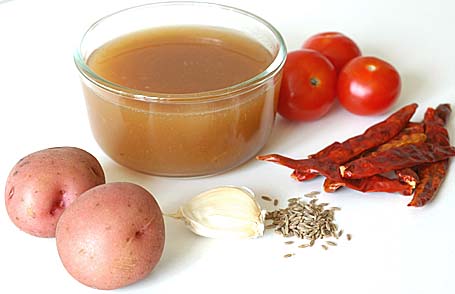
Boiled Baby red potatoes, Tamarind juice, tomatoes, dried red chillies, cumin and garlic

Recipe:

8 to 10 baby potatoes
1 medium sized onion and 10 to 12 cherry tomatoes – finely chopped
For sauce:
1 cup of tamarind juice – (medium thick – home made version)
6 dried red chillies+3 garlic cloves+1 teaspoon of cumin – Make a smooth paste of them.
1/4 teaspoon of turmeric and salt to taste
Popu or tadka ingredients:(1tsp of each, cumin, mustard seeds and few curry leaves)

Boil potatoes in water, just until tender. Remove them and strip the outer skin. Prick the potatoes in multiple sites with a fork so that they can absorb the sauce.

In a big pan or kadai – heat one teaspoon of peanut oil. Do the popu or tadka (toast mustard seeds, cumin, curry leaves). Saute onions and tomatoes for few minutes until they soften. Stir in red chilli paste; saute it for few minutes until it leaves the raw smell. Add the tamarind juice and another cup of water. Stir in salt and turmeric and also the pricked potatoes. Cover and simmer them for about 15 to 20 minutes on medium heat, stirring in between. Wait until the sauce reaches the consistency of thick lava. Turn off the heat, and serve the pulusu with chapatis or with rice and ghee.

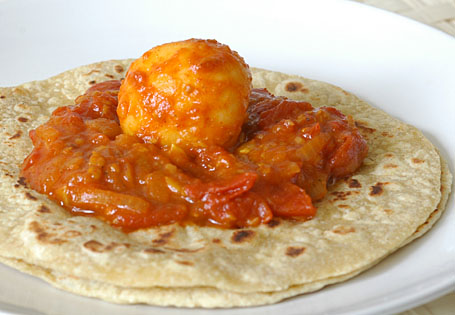
Baby Potatoes in Tamarind-Chilli Sauce (urla gadda pulusu
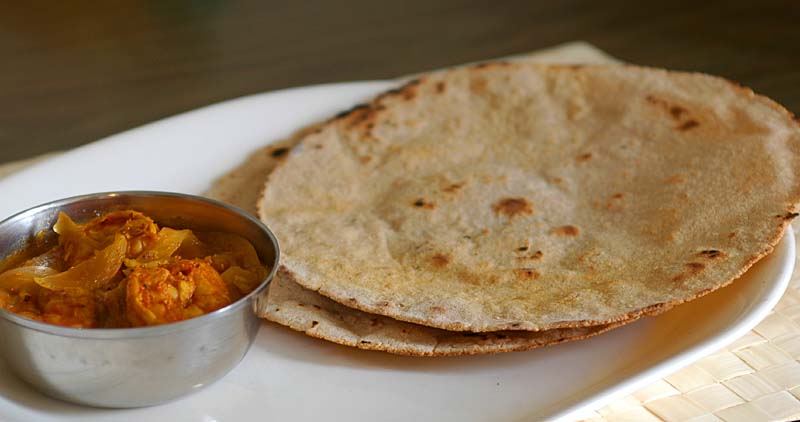
Baby potatoes in tamarind-chilli sauce and chapatis

I’ve added a tablespoon of powdered jaggery to this curry, forgive me my dear Nellore friends and readers. I know you will sneer at me, I know it is a big no-no, adding any kind of sweetener to the curry. But my poor body won’t tolerate that kind of slow burning heat.

This is my entry to “The Spice is Right – Ancient Spices” food blog event, started and hosted by my favorite food blogger, very talented chef Barbara of Tigers and Strawberries.

Posted by Indira©Copyrighted in Amma & Authentic Andhra,Baby Potatoes,Dried Red Chillies (Wednesday April 12, 2006 at 1:25 pm- permalink)
Comments (23)

The New Home of Mahanandi: www.themahanandi.org

Colorful Idly with Carrots & Chana Dal

Back home, a breakfast is still a breakfast. It is not brunch, lunch or supper. Breakfast items are few, and everyday one of them is prepared and eaten by 9 AM. My mother never uttered the words – “I’m not feeling well today and not making any breakfast for you”. As a grown up, living in a silent world with plenty of time to reflect back, now I realise, my mother like me, must had several reasons to slack off, if she wanted to. But she never did. I am sure many of you can relate to what I am talking about. That kind of devotion was given to us when we were children. This is the reason why I often mention ‘amma (mother)’ as recipe source. If I have the courtesy to write a cookbook author’s name as recipe source for a blogged recipe, why shouldn’t I return the same courtesy to amma, from whom I learned most of my cooking from.

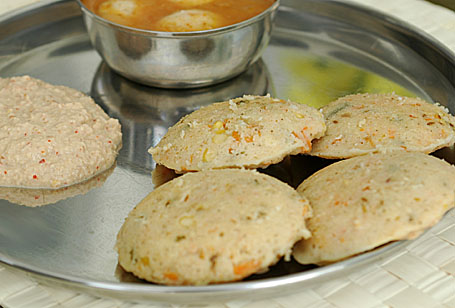
Colorful idly with carrots and chana dal aka masala idly is one of her recipes. Finely grated carrots and chana dal along with green chillies and cumin etc. are added to the leftover idly batter for a next day morning breakfast. Imagine the taste of upma, and these idlies almost taste like that. Steam cooked in round shape, they are a pleasure when served hot with chutney and sambar. Though they are a breakfast item back home, here I often make them on a weekend for brunch, lunch or for supper.

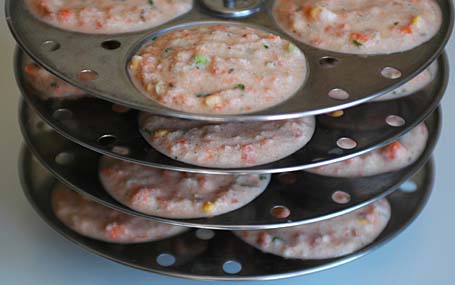
Idly plates filled with idly batter - ready for steaming

Recipe:
This is same as idly preparation except that we add bunch of other ingredients and change the lilly white, cloud like plain idlies into colorful, somewhat dense masala idlies.

(for 16 idlies)
3 cups of Idly batter
(urad dal and rice ravva(cream of rice) in 1:2 ratio, soaked, grind into smooth batter and kept overnight for fermentation)
Ingredients to add to idly batter
1 cup of grated carrot (1 big carrot)
¼ cup of chana dal (soaked in water for atleast an hour)
¼ cup of coarsely crushed, roasted peanuts or cashews
¼ cup of finely chopped cilantro
2 to 4 finely chopped or minced green chillies
1 teaspoon of cumin and few curry leaves
¼ teaspoon of salt or to taste

Mix the ingredients with idly batter thoroughly. Fill the round impressions of idly plates with this batter. Place the idly stand in an idly cooker and steam cook them for about 20 minutes or until the batter sets completely. Remove the idly stand from the cooker, run a spoon under each impression and separate the cooked idlies from the impressions. Serve them hot with peanut or coconut chutney and sambhar.

Idlies with veggies, served with peanut chutney, and shallot sambhar
Masala idlies with peanut chutney and shallot sambhar

For more detailed recipe of idly, about idly stand, idly plates and idly cooker etc., – click here

Posted by Indira©Copyrighted in Carrots,Chana Dal,Rice Ravva (Cream of Rice),Urad Dal (Washed) (Tuesday April 11, 2006 at 1:54 pm- permalink)
Comments (25)

The New Home of Mahanandi: www.themahanandi.org

Burger and Fries ~ The Sweet Kind

We’ve received some unexpected guests yesterday and I had to prepare a quick appetizer/sweet. My guests are very Indian but their ‘chic’ children absolutely don’t like anything remotely Indian, that is what the parents informed us. So with the gifts they brought and with some things we purchased from the shop, I put together a quick appetizer/dessert mainly for children. There is no excuse to feed them this kind of stuff but that was all I’m able to comeup with and they seem to like my burger and french fries imitation.

I also prepared mango shakes to go with burger and french fries. My American fast food simulation seem to really impress the parents and their equally gullible children. After they left, I couldn’t refrain from temptation any longer, so I prepared this special burger for myself. First I took a photo and then I took a bite. The burger-fries are rich in calories and super rich in taste – the whole combination felt sinful, with all the chocolate, strawberry and mango flavors included. Imagine the taste if I had used the glazed donuts, instead of plain ones! It is a dare, any one?

Burger and Fries - The Sweet Kind

Shopping List & How to:
For Burgers: Donuts, glaze free(bun), brownies(patty), white chocolate(cheese).
Slice the donuts into half. Cut brownies into thin layers. Size the chocolate to match the size of cut brownie. Put together a sweet burger.
For ketchup:
Puree strawberries, orange juice and some honey for ketchup.
For french fries:
Peel the mango and slice the mango into thin french fry shaped pieces

Prerequisites to participate in dare: 4 miles running or walking:).
Recipe idea: Cooking show on TV

This is my entry to “Virtual Cooking Competition~Appetizers“, by VKN of My Dhaba. The gracious host has just announced the prize – 250 dollars, can you believe it?, for the winning entries and requesting your nominations for favorite entries. Go, nominate your favorites and have fun.

Posted by Indira©Copyrighted in Fruits,Mango,Strawberries (Monday April 10, 2006 at 9:59 am- permalink)
Comments (30)

The New Home of Mahanandi: www.themahanandi.org

Sorghum Roti (Jonna Rotte, Jowar Roti)

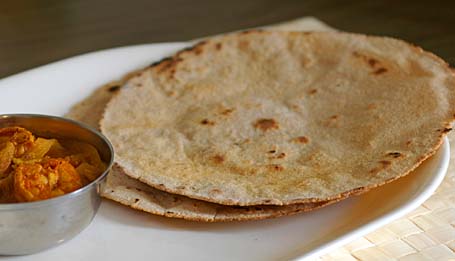
 Jonna rotte with curry (Sorghum roti with curry)

Very popular in villages and small towns as an accompaniment to meat and vegetable gravy curries, sorghum roti is one of the traditional recipes of India. As the name suggests, the rotis are prepared from sorghum flour. Instead of rolling pin, hands are used to shape the sorghum dough into a round, flat, thin circle. Because sorghum flour is gluten-free flour, it’s very tough to spread the dough without breaking the shape, and one really needs hands-on experience and many failed attempts to get the skill.

I am very sad to say that it is becoming one of those ‘dying’ kind of recipes. My mother and grandmother generations perfected the sorghum roti preparation. But coming to my generation, the ‘educated’, the ‘sophisticated’ ones, who can talk about baguettes and brie’s for hours and goes to great lengths to prepare and showoff knowledge of foreign cuisines, have no interest and can’t give the time of the day to learn or master the technique of this classic Indian recipe. It is not that we don’t like the taste. We love it! Imagine the warm paratha taste, multiply by 10 times, that’s how a good, well made sorghum roti tastes. In artisan hands, it puffs like puri – all on its own. No leavening agents and oil or ghee are added. Just fresh sorghum flour, warm water and touch of fire – pure grain power in its glory.

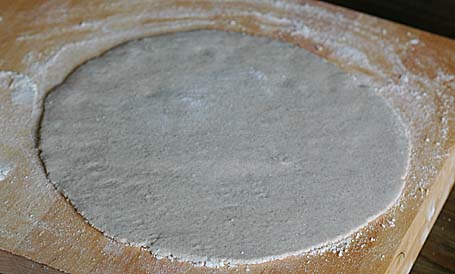
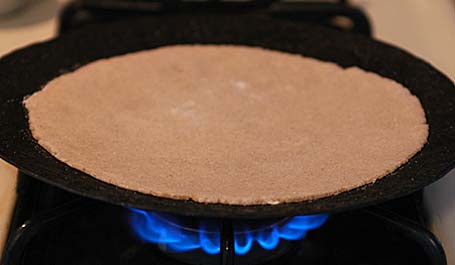
Making a prefect sorghum roti is a skill that I wanted to master with all my heart. For me, it is not just a recipe, but an Indian tradition that I wished to be a part of. The process is difficult to explain in written words and pretty much useless. Again this is one of those recipes, where one must be in the kitchen next to the cook, to know what they are talking about. One really needs a visual experience to understand the recipe. Well that’s how I feel anyway, so I’m going to keep the recipe directions simple for a change, and instead show the process in images.

Spreading the dough into thin round shape using hands

Prepare dough by gradually adding and mixing hot water. After a rest period of 10 to 15 minutes, the dough is kneaded and divided into lemon sized balls. Then, using palm of the right hand, on a flat board, the dough is spread into flat, thin round.

Cooking the roti

The doughspread is carefully lifted and placed on a hot iron tava (griddle). We use a separate tava just for making these rotis. On medium-high heat, roti is roasted slowly. Water is applied with a cotton cloth on the surface of roti, before turning it to the other side.

Roti is turned to otherside

After two to three minutes of cooking, roti is turned to the other side and cooked until done.


Sorghum roti (Jonna Rotte, Jowar roti) with curry
Jonna Rotte (Sorghum Roti) with curry ~ our meal today.

Recipe origin and source: Rayalaseema(Andhra, India) and Amma.

Posted by Indira©Copyrighted in Amma & Authentic Andhra,Bajri/Jowar Flour,Jowar (Jonnalu),Millet (Tuesday April 4, 2006 at 10:49 pm- permalink)
Comments (72)

The New Home of Mahanandi: www.themahanandi.org

Home Made Soymilk

Homemade Soya Milk

I was looking for recipes to prepare soymilk at home for a while now. The reason ofcourse is the recent pricehike of commercial soymilk. In big warehouse shops like Costco, the price for 3 packets of ‘Silk’ brand soymilk was 4 dollars, few years ago. It is now around 8 dollars. Vijay and I, we both like soymilk – for cereal, for cooking and whenever we feel like drinking something refreshing particularly during summer months. Cold soymilk has been our drink of choice. But now with the recent price increases, I’ve been feeling little reluctant to pay that kind of price, it felt like ‘organic’ kind of ripoff.

That’s when I found this clearly described recipe at fellow foodblogger/chef’s blog “Tasty Bytes” for home made soymilk. I had to give it a try. I brought some books from the library and also googled; what I found out was there are mainly two ways to prepare soymilk.

1.Soybeans are soaked, cooked first & then pureed to extract the milk.
2.Soybeans are soaked, pureed first to extract the milk& then the milk is boiled. (This method is traditional Japanese way of preparing soymilk according to this book.)

I was pendulating which method to follow, because this is my first time preparing at home and I wanted it to be a success taste wise. Well, I left it for Vijay and he chose the second method – Puree, extract and then boil. So last weekend, for the first time, we prepared homemade soymilk. I could not believe how easy it was. The whole thing of extracting the milk took about 30 minutes, that’s all.

What about the taste – we added vanilla and honey for flavoring and tasted the chilled soy milk. It has a strong, more robust flavor than the commercial vanilla soymilk. Not off-putting at all, but again we are motivated to like it :). Adding vanilla and honey was a good choice, because we are accustomed to vanilla flavored, mildly sweet commercial (Silk brand) soymilk. For those of you who ask, why soymilk, what’s so special about it? – We prefer it mainly because it’s a guilt free, hormone and cholesterol free choice we have available here. And soymilk is high in protein and rich in iron but low in sodium, fat and calcium. Also we like it for taste… heavy textured but it has a smooth, silky taste.
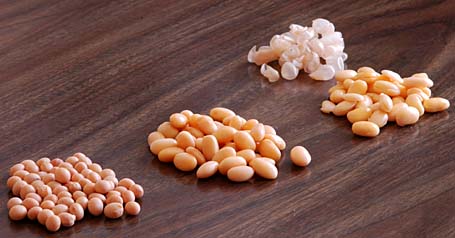
Dry Soya Beans, Soaked Soya Beans, Rubbed and skins removed Soya beans
Soybeans – Dry, Soaked, Rubbed and skins removed

Recipe:

2 cups of dried soybeans
4 glasses water
2 tablespoons to ¼ cup of honey(or sweetener of your choice)
1 teaspoon of pure vanilla
Big pot and cheesecloth (gangi gudda/cotton cloth)

Preparation is real simple and 3 steps.
(1) Soak and rub (2) Blend and extract (3) Boil and chill.

Soak and Rub:
Soak the beans overnight in lot of water. They expand considerably, so take a big vessel and add at least two to three glasses of water for them to soak. By Morning, they will double in size. Rub soybeans with hands to remove the outer covering. The flimsy outer covering will easily separate from the beans and will float to the top. With hand, scoop them and remove. Repeat like this, two or three times to remove the covering. I was able to remove the outer layer for at least 75 percent of Soya beans.
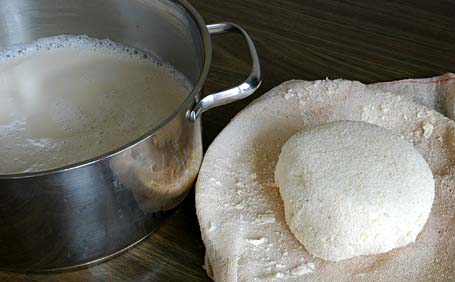
Extracted soymilk and the squeezed out bean pulp
Extracted soymilk and the squeezed out soybean pulp

Blend and Extract:
Pour the beans into a colander to drain the water. Take the beans in a blender and in batches, grind them into smooth puree adding water.

Keep a big pot on the side. Cover it with a cheesecloth or gangi gudda/cotton cloth. Pour the pureed bean mixture into the cloth. Pull the cloth together and twist and allow dripping for few minutes. And then with your hands gently squeeze as much milk as possible. Take care not to squeeze the soya bean pulp.

Do this in batches. I kept the squeezed out soya bean pulp from each batch on a plate. Finally I blended this pulp again two times, adding water, to extract as much soymilk as possible.

Boil and Chill:
Pour the milk through a fine sieve into a big pot. You see white foam (the kind, that forms when you blend urad dal or moong dal) floating on the top of milk. Scoop it with a spoon or with your hand. I did this to clear the surface of milk.

Bring the milk to a boil. Add honey and vanilla. Reduce the heat to medium. Partially covered, simmer it for about 30 minutes, stirring in-between. Just like cows milk, layers of skin (meegada) were forming on top, I removed the skin (meegada) layers to a cup and later added this meegada to the ‘aloo chole’ I was preparing for supper. The meegada skins tasted melting delicious.

Allow the milk to cool to room temperature. Pour into a clean bottle and keep the bottles in the refrigerator to chill. Serve and enjoy.

Homemade Soya Milk
Home made soymilk – all ready for chilling in the refrigerator.


Caution: Extremely acquired taste.
Recipe Source: Foodblog – Tasty Bytes and Cookbook – “The science and lore of the Kitchen
Yield: 1 liter (quart) or two bottles like in the photo above.

Posted by Indira©Copyrighted in Soy (Tofu, Yuba) (Monday April 3, 2006 at 12:42 pm- permalink)
Comments (72)

The New Home of Mahanandi: www.themahanandi.org

Weekend Reading – Our School

Swami Vivekananda Vidyalaya

Some invest their money in stock market; we invested ours in our hometown. The school we built with the help of our family back in Nandyala, successfully completed 3 years this April. It’s a high risk, conscious kind of investment, mainly because no one in our family is in the education field until now and our goal is not geared towards profits.

Vijay and his equally talented brother Kiran, worked hard for the last three years, everyday. They designed the building, playground and education curriculum to create a good, quality environment for the children to learn. We started the school first with preschool – LKG, UKG, First class and then every year we are increasing the class to next level. Now we have upto third class. We have big plans for our school and ideas about what it should represent. The kind of education and adults it will create in future. This project is our labor of love and our passion.

This is one of the photos we took last year during our visit to school in Nandyala. Here, the children are all gathered for a school photo. Adorable and pretty innocent, healthy and full of energy – we were like them thirty years ago.

Swami Vivekananda Vidyalaya - School Children

More about our school project at – Nandyala.org.

Posted by Indira©Copyrighted in Zen (Personal) (Sunday April 2, 2006 at 8:52 pm- permalink)
Comments (29)

The New Home of Mahanandi: www.themahanandi.org

Weekend Cat Blogging

Playing Kittaya:

Kittaya

Checkout all the other kitties of food blogging world and cute Kiri in turtle woolwear at Clare’s ‘Eat Stuff’.

Posted by Indira©Copyrighted in Zen (Personal) (Saturday April 1, 2006 at 10:10 pm- permalink)
Comments (8)

The New Home of Mahanandi: www.themahanandi.org

13. Chana Dal Payasam (Sanaga Pappu Payasam)

Yesterday, on Ugadi, the weather was perfect with temperatures around 70 F. It felt like spring and Andhra weather. To celebrate this perfect day on Ugadi, I prepared chana dal payasam (sanaga pappu payasam) for puja.

Payasam is the most common type of dessert served in homes across south India. Prepared with basic ingredients and following a simple method, Payasam– the liquidy dessert, is a people pleaser. Usually the base is a thickened milk and sugar or jaggery syrup. The solid component varies – protein in the form of chana dal or moong dal are added. Or by adding carbos like rice, vermicelli, sabudana and nuts like almonds; different types of payasams are prepared. Real easy and the outcome is always sweet mouthfuls, it is a favorite among children and adults all alike. Here is the recipe for one of my favorite payasams:

Recipe:
(For two)

1 cup chana dal
¼ cup sabudana (Sago, Saggu Biyyam)
separately, soak them in water for at least two hours. Presoaking both chana dal and sabudana (sago) reduces the cooking time, considerably.
For sweet syrup
1 cup of powdered jaggery or sugar
3 cups of milk
Flavoring
1 tablespoon of ghee
¼ cup of cashews and golden raisins
4 cardamom pods – seeds finely powdered

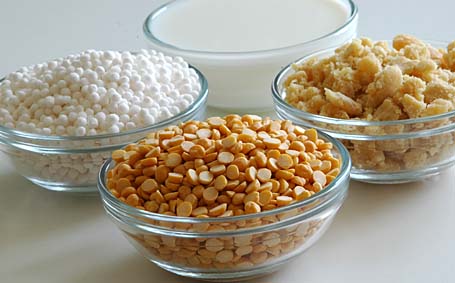
Chana dal, Sabudana (Sago), Milk and Jaggery - Ingredients for Payasam

1. Take chana dal and one cup each of milk and water in a pressure-cooker. Pressure-cook the dal until one whistle, just to soften the chana dal. Do not disintegrate the dal; take care not to over cook.

2. Meanwhile in a thick bottomed, big vessel, take half cup of water. Add sugar or powdered jaggery. Stir and cook, until the sugar/jaggery melts. When the syrup starts to thicken, add the soaked sabudana, and 2 cups of milk. Cook them on medium heat for at least 15 minutes, stirring in between. To this milk-sugar-sabudana syrup, add the contents of the pressure cooker – chana dal and the milky liquid it is cooked. Stir and check the sweetness level, add sugar if needed. Simmer on medium heat, Uncovered, stirring occasionally for another 15 minutes or until it reaches consistency/thickness, you desire. Keep in mind payasam further thickens on cooling.

3. When all this is happening, heat a spoonful of ghee in a small pan. Add and toast – first cashews, then golden raisins until light brown. Add these toasted things along with ghee, to the simmering payasam.

4. Finally stir in powdered cardamom, simmer another 5 minutes. Switch off the heat, cover the pot with a lid and let it sit for at least half an hour. Serve warm or cold.

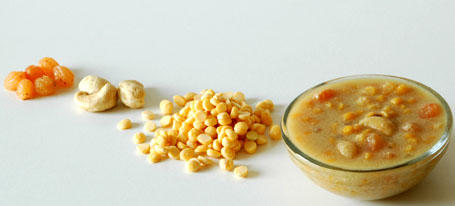
Golden Raisins fried in ghee, Cashews, Soaked Chana dal, Payasam (Sanaga pappu Payasam)
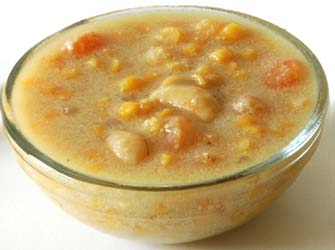
Chana dal payasam (Sanaga Pappu Payasam) ~ For this week’s Indian sweets 101

Variations:
I also prepare the same payasam with chana dal(bengal gram) without adding the sabudana(sago).
Sometimes, I also add fine semolina instead of sabudana to chana dal payasam.
Toasted fresh coconut gratings are also added along with cashews and golden raisins for that rich nutty sweetness.

Posted by Indira©Copyrighted in Amma & Authentic Andhra,Chana Dal,Indian Sweets 101,Milk,Naivedyam(Festival Sweets) (Friday March 31, 2006 at 1:15 pm- permalink)
Comments (31)

The New Home of Mahanandi: www.themahanandi.org

Celebrating One Year Anniversary on Ugadi

Mahanandi - photo by Vijay Singari
Spectacularly Beautiful Mahanandi, India

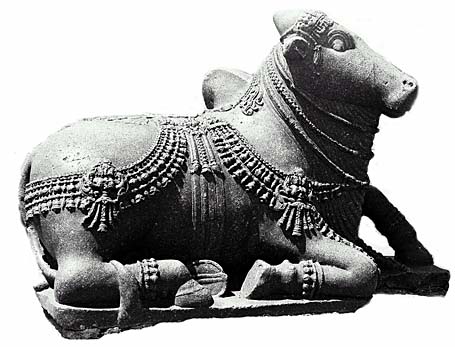
The temple which my blog named after is at least 900 years old, and my blog just turned one.

‘Mahanandi’ is my desire to capture the ‘real, everyday kind’ of homemade Indian food in images. Thanks for being so supportive and so generous both with your words and show of affection. Thank you for being part of my beloved ‘Mahanandi’.

Happy Ugadi and Gudi Padwa!

Posted by Indira©Copyrighted in Zen (Personal) (Wednesday March 29, 2006 at 7:13 pm- permalink)
Comments (82)

The New Home of Mahanandi: www.themahanandi.org

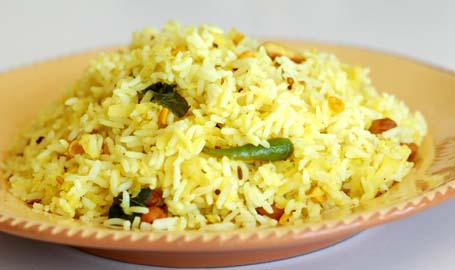
Maamidikaya pulihora (Mango Rice)

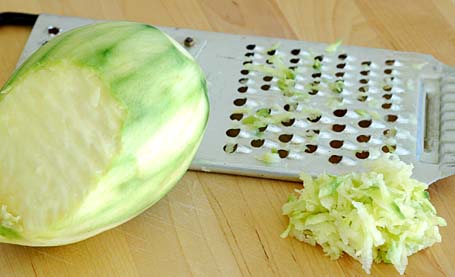
Rice mixed with grated unripe mango is a festival rice that is specifically prepared on “Ugadi” – The Telugu New Year celebration, in our homes.

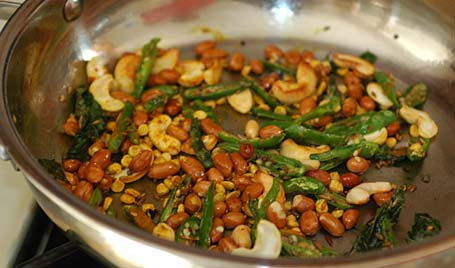
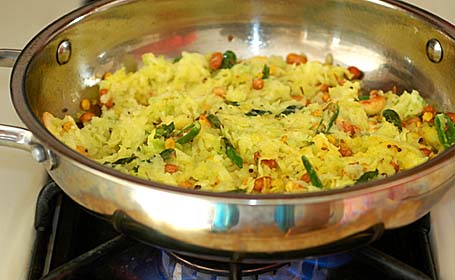
Here is the simple, 4-step preparation process of festival rice – in images:

Grating the unripe mango

Step 1:
Peel the skin and grate the unripe mango. Measurement is: for 1 cup raw rice – 1½ cups grated mango to 2 cups. (Adjust the quantity to suit your tart/tangy preference.)

Cook the rice (preferably ‘Sona Masuri’). Maintain the grain integrity, don’t cook to mush.


Step 2:
In a skillet, heat peanut oil or ghee. Add and toast the listed ingredients below. One by one, until pale gold, in this order:

Cashews
Peanuts
Chana dal (presoaked in water for about 30 minutes beforehand)
Slit green chillies -brown them for better taste
Curry leaves and few pieces of dried red chillies
Mustard seeds and cumin

At the end, bring all these toasted ingredients, sprinkle turmeric and asafetida. Stir to mix and saute for another two minutes. (See the photo above)


Step 3:
Add the grated mango to the pan. Stir to mix with other toasted contents in the pan. Cook it on medium-high just for two minutes and switch off the heat. (This is done to remove the raw smell of grated mango. Do not cook the mango gratings more than two minutes, that would kill the precious mango flavor.)

Step 4:
Add salt and mix this toasted mango-peanut mixture with cooked rice thoroughly with a big spoon or with your right hand. Serve hot.


Celebrating Ugadi Festival with Maamidikaya Pulihora

Ingredients:
(For two)
1 cup rice (uncooked, raw)
1 to 2 cups grated green mango (quantity needed depends on how sour the green mango is)
6 to 8 Indian or Thai variety small-sized green chillies – Cut into 2or4 pieces lengthwise
¼ cup of cashews and peanuts combined
1 tablespoon of chana dal (soaked in water for ½ hour)
1 teaspoon each – cumin and mustard seeds
10 curry leaves, and 4-6 small pieces of dried red chilli
½ teaspoon of turmeric
Pinch of asafetida
Salt to taste or ½ teaspoon

Posted by Indira©Copyrighted in Amma & Authentic Andhra,Mamidikaya (Green Mango),Sona Masuri Rice (Tuesday March 28, 2006 at 10:07 am- permalink)
Comments (49)

The New Home of Mahanandi: www.themahanandi.org

Maamidikaya Pappu (Mango Dal)

We celebrate Ugadi (New Year) festival on 30th of March this year, and Ugadi is all about mangoes traditionally. Back in India, we decorate our houses with mango leave garlands; at home we prepare recipes with unripe mangoes. You see, by March and April, the bazars are usually flooded with mangoes. First the unripe mangoes in a beautiful shade of pure green, then golden yellow colored ripe mangoes make an appearance at local ‘ritu bazars’ tantalizing the senses. No wonder, we celebrate mango season with a festival.

But here, where I live, green mangoes are hard to come by. I had to travel 100 miles, paid humungous amounts, just because I couldn’t resist a beautiful tradition and I’m very lucky to get them. With the green mangoes I purchased, here is one, an original Andhra recipe – ‘Mango dal’. Green mango cooked with toordal. Little bit tart, fruity with a hint of caramel undertones from mango and earthy nutty smoothness because of toor dal – is a taste that one will never forget.

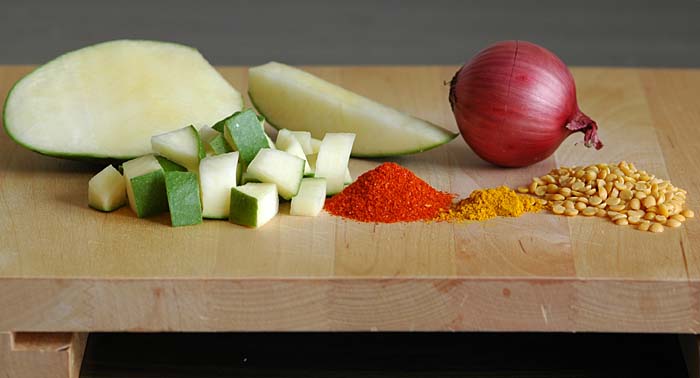
Green mango, Chilli Powder, Turmeric, Toordal and Onion - Ingredients for Mango dal (Click on the image to get a closer look)

Green mango, Chilli Powder, Turmeric, Toordal and onion – Ingredients for Mango dal

Recipe:

1 green mango
1 medium sized red onion – sliced into big chunks
4 fistfuls of toor dal (¾ cup)
1 teaspoon of chilli powder
¼ teaspoon of turmeric
½ teaspoon of salt or to taste

Popu/Tadka
1 tsp of peanut oil or ghee
1 tsp of each – mustard seeds, cumin, urad dal, chana dal
4 to 6 dried red chilli pieces and curry leaves
2 garlic cloves – finely chopped

1.Wash green mango thoroughly to remove any pesticide sprayings. Dry it with a towel then cut it into small cubes. I don’t like to peel the mango skin for this recipe. The tough outer skin of mango, imparts kind of tarty flavor to the dal, so following the tradition, I keep the skin. Scrape any white flesh attached to the seed with a peeler and then only discard the seed. (see this photo for the stripped seed.)

2. Take toordal, mango, onion, chilli powder and turmeric in a pressure cooker. Add one and half cups of water. Close the lid and pressure cook until 3 whistles or until you are sure the dal is soft and mushy. Turn off the heat and wait for the pressure to go off.

3. After all the valve pressure is released, remove the lid. The contents usually are cooked soft by now, add salt and with a wood masher or whisker, mash the dal, until all the toordal turns into fine mush.

4. In a vessel, heat peanut oil or ghee, Toast the popu ingredients in this order. First add dried red chilli pieces, garlic and chana dal. Then urad dal and curry leaves, finally add and toast cumin and mustard seeds.

5. Remove the mashed mango dal from pressure cooker and add it to the popu in the vessel. Stir to mix and cover the vessel with a lid so that the dal could absorb the flavors of popu

Serve with rice and ghee, a dry sauté curry by the side and some papads for a memorable meal.
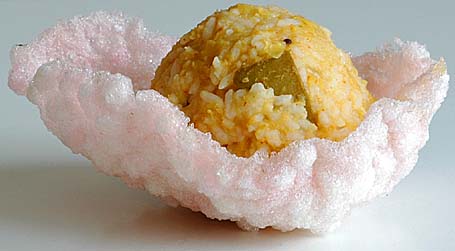
My preference: Mix mango dal with rice and ghee thoroughly. Shape the mixture into small rounds and have them with papads preferably sago (sabudana) papad.

Mango dal and rice mudda in a sabudana papad
(Maamidikaya pappannam mudda on a saggubiyyam vadiyam)
Mango dal mixed with rice&ghee. Shaped into round ball & placed on a deep fried sago(sabudana) papad.

For mango dal, we in our homes, use only chilli powder. Do not substitute it with green chillies.
Sago (sabudana) papads are available in Indian grocery shops and green unripe mangoes- during spring and summer seasons.

Posted by Indira©Copyrighted in Amma & Authentic Andhra,Mamidikaya (Green Mango),Toor Dal (Monday March 27, 2006 at 10:45 am- permalink)
Comments (51)

The New Home of Mahanandi: www.themahanandi.org

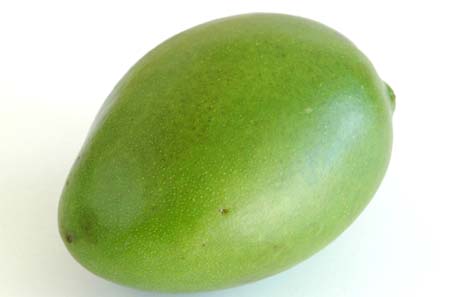
Maamidikaya (Unripe Green Mango)

Mamidi Kaya (Raw mango)
Maamidikaya (Unripe Green Mango) ~ For this week’s Indian Kitchen.

Maamidi kaya cut into small cubes and the seed inside
(Cut Green Mango and on the side is seed of the mango)

Recipes:

Mango Dal
Mango Rice

Posted by Indira©Copyrighted in Indian Ingredients,Mamidikaya (Green Mango) (Sunday March 26, 2006 at 9:32 am- permalink)
Comments (9)

The New Home of Mahanandi: www.themahanandi.org

« Next PagePrevious Page »